Showing posts with label botany. Show all posts

Wednesday, October 5, 2016

Kudzu

Najinvazívnejšia rastlina na svete, ktorá v USA pohltila celé kilometre krajiny. Japonské kudzu však slúži aj medicíne

Južné štáty USA by o okrasnej rastline zvanej kudzu vedeli rozprávať mnohé príbehy.
26. december 2015, 17:02
Obyvateľov Zeme trápia mnohé prírodné fenomény. Stačí spomenúť tornáda, hurikány, zemetrasenia či vlny tsunami a každému je hneď jasné, že obrovské škody, ktoré tieto prírodné javy dokážu napáchať za relatívne krátky čas, potom ľudstvo odstraňuje aj niekoľko rokov. Na druhej strane, poriadne strpčovať ľuďom nemusia iba pohyby tektonických dosiek, ale aj na prvý pohľad obyčajné rastliny. O lianách si určite počul najmä z príbehov z džungle, avšak jedenlianovitý druh rastliny s pôvodom v Japonsku pácha po celom svete, a najviac v USA, každoročne obrovské škody. Sú dokonca až také vysoké, že ročne si protiopatrenia vypýtajú vraj až miliardu dolárov.

Slovo invázia si zrejme počul iba v spojení s armádou a vojnou. Zelená invázia však patrí medzi slovné spojenia, ktoré za dlhé roky prischli rastline s latinským názvom Pueraria, väčšina ľudí ju volá jednoducho kudzu. Názov kudzu pochádza z originálneho japonského označenia a medzi ľuďmi sa rýchlo rozšíril. Prejdime ale k tomu, čoho je vlastne táto japonská rastlina schopná.

Najinvazívnejšia rastlina na svete, ktorá v USA pohltila celé kilometre krajiny. Japonské kudzu však slúži aj medicíne

Dalo by sa povedať, že kudzu rastie takmer v akýchkoľvek podmienkach. Najlepšie sa jej darí v teplom a vlhkom prostredí, ale výraznejšie problémy jej nerobí ani sucho a zima. Jej najväčšou zbraňou je schopnosť neskutočne rýchleho rastu a pohybu, vďaka ktorému sa medzi ľuďmi najmä na juhovýchode USA traduje, že na noc si treba pre istotu zavrieť okná, aby ti kudzu nepreniklo aj do domu. Keď sme sa už dostali k USA, práve táto krajina dostala v roku 1876 kudzu ako príjemný darček od Japonska. Američania boli z jej krásy nadšení. Rýchlo ju vyhlásili za okrasnú rastlinu, keďže občas z jej hustých listov vykukli aj rozkvitnuté kvety a keďže kudzu patrí medzi bôbovité rastliny, iba jej to pridalo na prestíži. Kudzu dovtedy svet okrem Japonska a Číny dobre nepoznal, a tak si ľudia neuvedomovali, s čím majú dočinenia. Veselo si začali výhonky vysádzať pred svoje domy, aby si tak nechali obrásť ploty a nehnuteľnosti okrasnou prírodnou stenou, ktorá sa onedlho zmenila na nočnú moru.

Najväčší problém spočíva v tom, že kudzu nemá s ostatnými rastlinami zľutovania. Vďaka svojmu rýchlemu rastu sa za jediný deň dokáže zväčšiť o 30 centimetrov a jedna rastlina zvláda pokryť obrovskú plochu, takže nič netušiaci ľudia o pár týždňov zistili, že okrasná rastlina sa im od domuodplazila niekoľko desiatok metrov a začala zaživa požierať stromy. Nie, kudzu nie je mäsožravá, ani bylinožravá rastlina v pravom zmysle slova, ale keď sa jej podarí zachytiť na kmeni stromu či inej rastliny, potom nastáva rýchly proces. Spočíva v tom, že hustý porast kudzu zabráni postihnutej rastline v príjme slnečných lúčov a úplne ju zahalí do tmy, čo samozrejme dlho nevydrží a postupne odumiera. Američania sa preto zhrozili, keď im kudzu začalo doslova zabíjať stromy v záhradách.

Trvalo dosť dlho, kým sa americkí odborníci rozhodli v problematike kudzu a jej ničenia zakročiť. Až na začiatku 50. rokov minulého storočia, čiže viac než 70 rokov po tom, čo kudzu Japonci priniesli do USA, sa im začalo zdať, že by s invazívnou rastlinou bolo potrebné niečo urobiť, avšak oficiálny krok prišiel až v roku 1972, kedy Američania kudzu vyhlásili za burinu. Pre mnohé, najmä južné a juhovýchodné, oblasti USA však v 70. rokoch bolo už príliš neskoro. Ľudia nechali kudzu voľne rásť príliš dlho na to, aby sa jej dokázali zbaviť a pritom pokusov o to bolo nespočetne veľa. Fakt je ten, že kudzu sa tak ľahko nevzdáva. Výraznejšie nereaguje na strihanieči usmerňovanie a rastie si kam chce, nepomáha dokonca ani vypaľovanie, pretože o pár dní je všetko po starom.

Aby sme ale kudzu neopísali iba ako rastlinného démona, musíme na druhej strane zdôrazniť aj to, že táto nezbedná rastlina tvorí v ázijskej kultúre dôležitú úlohu. Už tisíce rokov ju Japonci pridávali do jedál ako omáčky, polievky či dokonca pudingy a dnešná medicína využíva najmävýťažky z koreňa tejto rastliny, ktoré sú zdraviu prospešné napríklad v oblasti tvorbypečeňových buniek či zrýchľovania metabolizmu.

Fotografie v našom článku ale zrejme nenasvedčujú o tom, že sa ľudia v USA skamarátili s blahodárnymi účinkami japonskej rastliny. O zábery sa postarala fotografka Helene Schmitz, ktorá sa pred tromi rokmi vydal na dobrodružný výlet naprieč americkými štátmi Alabama, Georgia či Severná Karolína a na čiernobielych fotografiách sa jej podarilo zachytiť dnes už depresívnu realitu toho, čo vzniklo zo spočiatku nevinnej okrasnej rastliny.

Najinvazívnejšia rastlina na svete, ktorá v USA pohltila celé kilometre krajiny. Japonské kudzu však slúži aj medicíneNajinvazívnejšia rastlina na svete, ktorá v USA pohltila celé kilometre krajiny. Japonské kudzu však slúži aj medicíneNajinvazívnejšia rastlina na svete, ktorá v USA pohltila celé kilometre krajiny. Japonské kudzu však slúži aj medicíneNajinvazívnejšia rastlina na svete, ktorá v USA pohltila celé kilometre krajiny. Japonské kudzu však slúži aj medicíneNajinvazívnejšia rastlina na svete, ktorá v USA pohltila celé kilometre krajiny. Japonské kudzu však slúži aj medicíneNajinvazívnejšia rastlina na svete, ktorá v USA pohltila celé kilometre krajiny. Japonské kudzu však slúži aj medicíneNajinvazívnejšia rastlina na svete, ktorá v USA pohltila celé kilometre krajiny. Japonské kudzu však slúži aj medicíne

Tuesday, October 4, 2016

Kudzu

The True Story of Kudzu, the Vine That Never Truly Ate the South
Smithsonian ^ | September 2015 | Bill Finch 
Posted on 29. 8. 2015, 1:42:45 by nickcarraway
As s a young naturalist growing up in the Deep South, I feared kudzu. I’d walk an extra mile to avoid patches of it and the writhing knots of snakes that everyone said were breeding within. Though fascinated by the grape-scented flowers and the purple honey produced by visiting bees, I trembled at the monstrous green forms climbing telephone poles and trees on the edges of our roads and towns.
Introduced from Asia in the late 19th century as a garden novelty, but not widely planted until the 1930s, kudzu is now America’s most infamous weed. In a few decades, a conspicuously Japanese name has come to sound like something straight from the mouth of the South, a natural complement to inscrutable words like Yazoo, gumbo and bayou.
Like most Southern children, I accepted, almost as a matter of faith, that kudzu grew a mile a minute and that its spread was unstoppable. I had no reason to doubt declarations that kudzu covered millions of acres, or that its rampant growth could consume a large American city each year. I believed, as many still do, that kudzu had eaten much of the South and would soon sink its teeth into the rest of the nation.
I’m not sure when I first began to doubt. Perhaps it was while I watched horses and cows mowing fields of kudzu down to brown stubs. As a botanist and horticulturist, I couldn’t help but wonder why people thought kudzu was a unique threat when so many other vines grow just as fast in the warm, wet climate of the South. I found it odd that kudzu had become a global symbol for the dangers of invasive species, yet somehow rarely posed a serious threat to the rich Southern landscapes I was trying to protect as a conservationist.
Now that scientists at last are attaching real numbers to the threat of kudzu, it’s becoming clear that most of what people think about kudzu is wrong. Its growth is not “sinister,” as Willie Morris, the influential editor of Harper’s Magazine, described in his many stories and memoirs about life in Yazoo City, Mississippi. The more I investigate, the more I recognize that kudzu’s place in the popular imagination reveals as much about the power of American mythmaking, and the distorted way we see the natural world, as it does about the vine’s threat to the countryside.
**********
Kudzu might have forever remained an obscure front porch ornament had it not been given a boost by one of the most aggressive marketing campaigns in U.S. history.
In the decades that followed kudzu’s formal introduction at the 1876 World’s Fair Centennial Exhibition in Philadelphia, farmers found little use for a vine that could take years to establish, was nearly impossible to harvest and couldn’t tolerate sustained grazing by horses or cattle. But in 1935, as dust storms damaged the prairies, Congress declared war on soil erosion and enlisted kudzu as a primary weapon. More than 70 million kudzu seedlings were grown in nurseries by the newly created Soil Conservation Service. To overcome the lingering suspicions of farmers, the service offered as much as $8 per acre to anyone willing to plant the vine.
Many historians believe it was the persuasive power of a popular radio host and Atlanta Constitution columnist named Channing Cope that finally got those seedlings in the ground. Cope wasn’t just an advocate. He was, as cultural geographer Derek Alderman suggests, an evangelist. Cope spoke of kudzu in religious terms: Kudzu, he proclaimed on his Depression-era broadcasts, would make barren Southern farms “live again.” There were hundreds of thousands of acres in the South “waiting for the healing touch of the miracle vine.”
Railroad and highway developers, desperate for something to cover the steep and unstable gashes they were carving into the land, planted the seedlings far and wide. There were kudzu queens and regionwide kudzu planting contests. By the early 1940s, Cope had started the Kudzu Club of America, with a membership of 20,000 and a goal of planting eight million acres across the South.
By 1945, only a little more than a million acres had been planted, and much of it was quickly grazed out or plowed under after federal payments stopped. Farmers still couldn’t find a way to make money from the crop. By the early 1950s, the Soil Conservation Service was quietly back-pedaling on its big kudzu push.
But the myth of kudzu had been firmly rooted. Those roadside plantings—isolated from grazing, impractical to manage, their shoots shimmying up the trunks of second-growth trees—looked like monsters. The miraculous vine that might have saved the South had become, in the eyes of many, a notorious vine bound to consume it.
**********
Though William Faulkner, Eudora Welty and others in that first great generation of Southern writers largely ignored kudzu, its metaphorical attraction became irresistible by the early 1960s. In the often-cited poem “Kudzu,” Georgia novelist James Dickey teases Southerners with their own tall tales, invoking an outrageous kudzu-smothered world where families close the windows at night to keep the invader out, where the writhing vines and their snakes are indistinguishable. “I thought the whole world would someday be covered by it, that it would grow as fast as Jack’s beanstalk, and that every person on earth would have to live forever knee-deep in its leaves,” Morris wrote in Good Old Boy: A Delta Boyhood.
For the generations of writers who followed, many no longer intimately connected to the land, kudzu served as a shorthand for describing the Southern landscape and experience, a ready way of identifying the place, the writer, the effort as genuinely Southern. A writer for Deep South Magazine recently gushed that kudzu is “the ultimate icon for the South...an amazing metaphor for just about every issue you can imagine within Southern Studies.” One blogger, surveying the kudzu-littered literature of the modern South, dryly commented that all you have to do to become a Southern novelist is “throw in a few references to sweet tea and kudzu.”
For many, the vivid depictions of kudzu had simply become the defining imagery of the landscape, just as palms might represent Florida or cactus Arizona. But for others, kudzu was a vine with a story to tell, symbolic of a strange hopelessness that had crept across the landscape, a lush and intemperate tangle the South would never escape. In a 1973 article about Mississippi, Alice Walker, author of The Color Purple, wrote that “racism is like that local creeping kudzu vine that swallows whole forests and abandoned houses; if you don’t keep pulling up the roots it will grow back faster than you can destroy it.” The photographs of kudzu-smothered cars and houses that show up repeatedly in documentaries of Southern life evoke intractable poverty and defeat.
Confronted by these bleak images, some Southerners began to wear their kudzu proudly, evidence of their invincible spirit. Some discovered a kind of perverse pleasure in its rank growth, as it promised to engulf the abandoned farms, houses and junkyards people couldn’t bear to look at anymore. Now there’s a cottage industry of kudzu-branded literary reviews and literary festivals, memoirs, cartoon strips and events. Kudzu: A Southern Musical toured the country. An endless procession of “kudzu” cafés, coffeehouses, bakeries, bars and even seafood and sake houses are distributed across the South, many of them easily found on the Atlanta-based Kudzu.com search engine.
The myth of kudzu has indeed swallowed the South, but the actual vine’s grip is far more tenuous.
**********
In news media and scientific accounts and on some government websites, kudzu is typically said to cover seven million to nine million acres across the United States. But scientists reassessing kudzu’s spread have found that it’s nothing like that. In the latest careful sampling, the U.S. Forest Service reports that kudzu occupies, to some degree, about 227,000 acres of forestland, an area about the size of a small county and about one-sixth the size of Atlanta. That’s about one-tenth of 1 percent of the South’s 200 million acres of forest. By way of comparison, the same report estimates that Asian privet had invaded some 3.2 million acres—14 times kudzu’s territory. Invasive roses had covered more than three times as much forestland as kudzu.
And though many sources continue to repeat the unsupported claim that kudzu is spreading at the rate of 150,000 acres a year—an area larger than most major American cities—the Forest Service expects an increase of no more than 2,500 acres a year.
Even existing stands of kudzu now exude the odor of their own demise, an acrid sweetness reminiscent of grape bubble gum and stink bug. The Japanese kudzu bug, first found in a garden near Atlanta’s Hartsfield-Jackson International Airport six years ago, apparently hitched a plane ride and is now infesting vines throughout the South, sucking the plants’ vital juices. In places where it was once relatively easy to get a photograph of kudzu, the bug-infested vines are so crippled they can’t keep up with the other roadside weeds. A study of one site showed a one-third reduction in kudzu biomass in less than two years.
**********
So where did the more fantastic claims of kudzu’s spread come from? The widely cited nine-million-acre number appears to have been plucked from a small garden club publication, not exactly the kind of source you expect a federal agency or academic journal to rely on. Two popular how-to books, one a kudzu craft book and the other a “culinary and healing guide,” are, strangely, among the most frequently quoted sources on the extent of kudzu’s spread, even in scholarly accounts.
Yet the popular myth won a modicum of scientific respectability. In 1998, Congress officially listed kudzu under the Federal Noxious Weed Act. Today, it frequently appears on popular top-ten lists of invasive species. The official hype has also led to various other questionable claims—that kudzu could be a valuable source of biofuel and that it has contributed substantially to ozone pollution.
**********
The hype didn’t come out of nowhere. Kudzu has appeared larger than life because it’s most aggressive when planted along road cuts and railroad embankments—habitats that became front and center in the age of the automobile. As trees grew in the cleared lands near roadsides, kudzu rose with them. It appeared not to stop because there were no grazers to eat it back. But, in fact, it rarely penetrates deeply into a forest; it climbs well only in sunny areas on the forest edge and suffers in shade.
Still, along Southern roads, the blankets of untouched kudzu create famous spectacles. Bored children traveling rural highways insist their parents wake them when they near the green kudzu monsters stalking the roadside. “If you based it on what you saw on the road, you’d say, dang, this is everywhere,” said Nancy Loewenstein, an invasive plants specialist with Auburn University. Though “not terribly worried” about the threat of kudzu, Loewenstein calls it “a good poster child” for the impact of invasive species precisely because it has been so visible to so many.
It was an invasive that grew best in the landscape modern Southerners were most familiar with—the roadsides framed in their car windows. It was conspicuous even at 65 miles per hour, reducing complex and indecipherable landscape details to one seemingly coherent mass. And because it looked as if it covered everything in sight, few people realized that the vine often fizzled out just behind that roadside screen of green.
And that, perhaps, is the real danger of kudzu. Our obsession with the vine hides the South. It veils more serious threats to the countryside, like suburban sprawl, or more destructive invasive plants such as the dense and aggressive cogon grass and the shrubby privet. More important, it obscures the beauty of the South’s original landscape, reducing its rich diversity to a simplistic metaphor.
Conservation biologists are taking a closer look at the natural riches of the Southeastern United States, and they describe it as one of the world’s biodiversity hotspots, in many ways on par with tropical forests. E.O. Wilson, the American biologist and naturalist at Harvard, says the central Gulf Coast states “harbor the most diversity of any part of eastern North America, and probably any part of North America.” Yet when it comes to environmental and conservation funding, the South remains a poor stepchild. It’s as if many have come to view the Southeast as little more than a kudzu desert. A recent study in the Proceedings of the National Academy of Sciences reports that while vulnerable species are primarily in the Southeast, most lands protected as federal and state parks are in the West. Tennessee, Alabama and northern Georgia (often considered centers of the kudzu invasion) and the Florida Panhandle are among the areas that the authors argue should be prioritized.
In the end, kudzu may prove to be among the least appropriate symbols of the Southern landscape and the planet’s future. But its mythic rise and fall should alert us to the careless secondhand way we sometimes view the living world, and how much more we might see if we just looked a little deeper.

Tuesday, August 16, 2016

Philippines fruits


TOP 10 Tropical and Exotic Fruits of the Philippines


The tropical climate of the Philippines makes it possible for the soil to grow some delicious exotic fruits. Most of these exotic fruits are of South American origin and brought here by the West Indies, Spanish or the Americans. These heavenly fruits can be found fresh in the local market for cheap prices. Some of the fruits mentioned are only available seasonally.


    top10philippines.blogspot.com

  1. Philippine Mangoes
  2. - undeniably Philippine mangoes are the sweetest and juiciest in the world. Recorded in the 1995 World Guinness Book of Records as the sweetest fruit. The sweetest mangoes come from the province of Zambales and Guimaras in IloIlo.

    There is a wide variety of mangoes in the Philippines but the most popular and the sweetest is the "Kalabaw" variety. Locals eat unripe green mangoes with bagoong (shrimp paste) although this maybe an usually acquired taste. Green mangoes are great with vodka as cocktails!


    top10philippines.blogspot.com
  3. Rambutan - sweet and juicy when fresh. Rambutan literally means hairy caused by the 'hair' that covers this fruit.


    top10philippines.blogspot.com
  4. Avocado - very refreshing as fruit shake. Try if you can find avocado flavored ice-cream in the local groceries. Arce is a good brand of local ice cream. They use local fruits as flavor. Avocado is cheap in the Philippines. You can buy them at 1$USD for a kilo and when in season they can go as low as .50$USD per kilo!


    top10philippines.blogspot.com
  5. Lanzones - sweet and succulent little round fruits. The sweetest lanzones come from the province of Camiguin, where they hold an annual festival celebrating the lanzones fruit.


  6. Photobucket
  7. Durian - the king of Tropical fruits found it's way in the Philippines through our neighboring countries. Known for its large size and unique aroma. Some people regard the durian as fragrant; others find the aroma overpowering and offensive. The 19th-century British naturalist Alfred Russel Wallace famously described its flesh as "a rich custard highly flavoured with almonds"The province of Davao in Mindanao is home to durian farms.


    top10philippines.blogspot.com
  8. Langka (Jackfruit) - when ripe this fruit is very sweet and has a very aromatic flavor. It also widely used as cooking ingredient for local desserts such as ginataan and turon.


    top10philippines.blogspot.com
  9. Atis (Sugar Apple) - very sweet and creamy. It's a little bit of effort to eat this fruit as they have a lot of seeds. The fruit flesh is sweet, white to light yellow, and resembles and tastes like custard. The edible portion coats the seeds generously; a bit like the gooey portion of a tomato seed. Sugar-apple has a very distinct, sweet-smelling fragrance


    Photobucket
  10. Chico (Sapodilla) - It's aroma can be compared to beer but don't let it fool you for it is tasty. The flavor is exceptionally sweet with what can be described as a malty flavor.Originally known to have come from the West Indies


    top10philippines.blogspot.com
  11. Watermelon (Pakwan) - though widely available in many parts of the world nothing beats the refreshing taste of a succulent, sweet and juicy watermelon in the summer months.


    mangoes
  12. Santol (Wild Mangosteen) - available during the summer season. The taste is sweet and sour. The bigger variety called "Bangkok" is sweeter, the smaller variety is on the sour end. It is also used as souring agent for some Filipino dishes like sinigang.


MORE EXOTIC FRUITS FROM THE PHILIPPINES....

Photobucket
Kaimito (Star Apple)


Photobucket
Duhat (Java Plum)


Photobucket
Guyabano (Soursop)


Photobucket
Balimbing (Star Fruit)


Photobucket
Chesa (Lucuma) It has the texture of squash or the yolk of a boiled egg.


Photobucket
Aratiles (Jamaica Cherry, Muntingia) These cherries are very sweet. The sweetness brings with it an excellent taste, because it has a lovely fragrance that makes people keep on eating them. These cherries are often eaten by children because they taste quite like cotton candy.


Photobucket
Sinigwelas (Spanish Plum) It does taste like plum but it has less flesh and more seed.

Monday, August 15, 2016

Genipapo

Genipapo /Genip/Genipa americana

The Hair Dye You Can Eat
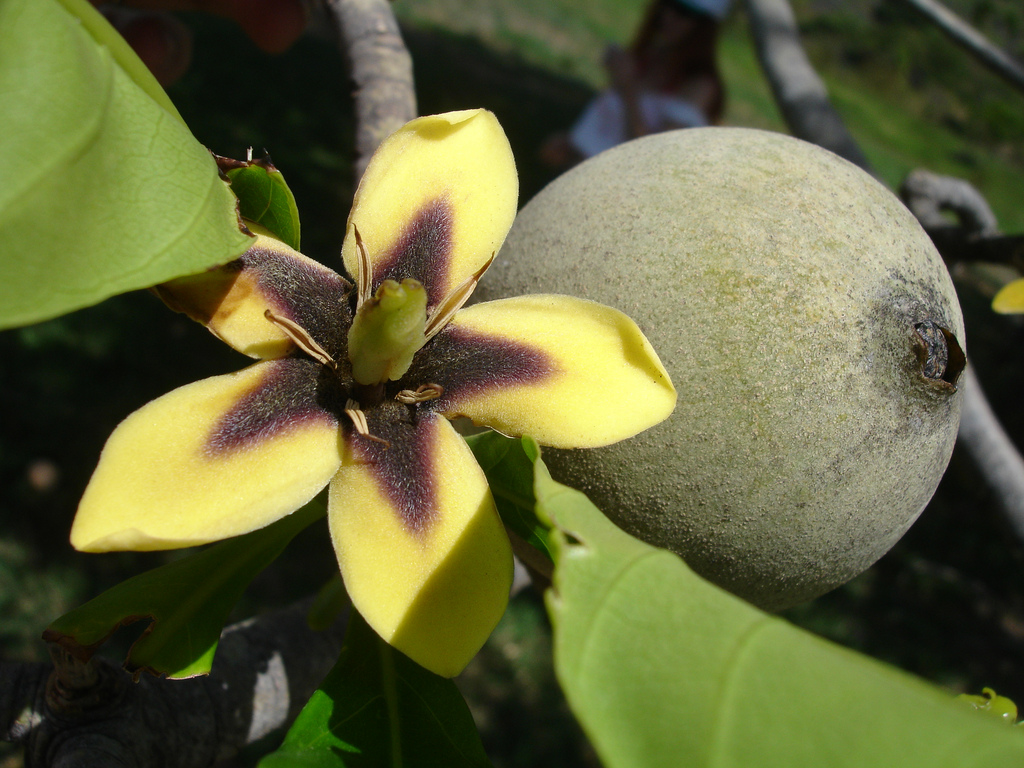
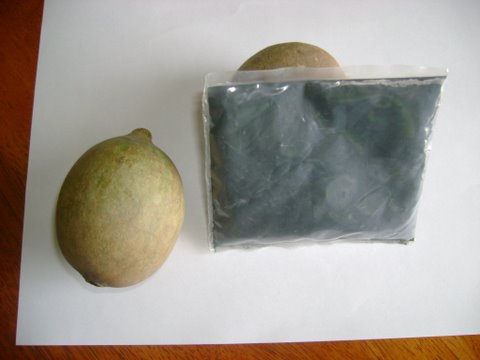
Huito fruit grows across the Caribbean and all the way down to Peru. When ripe, it’s popular as a flavor for preserves and ice cream, but when it’s still green the geniposidic acid it contains makes a tenacious dye when it oxidizes, dyeing anything it touches a rich blue-black. It’s popular for both temporary tattoos and hair color, and it makes a gentle alternative to henna or indigo. So if you’re looking for lush black hair color without chemical dyes, pop by your specialty grocery and see if they have any Huito. If you can’t find the fruit but want to try the dye anyway, you can also buy huito extract (it’s sometimes also called jagua) in many health food stores.
The genipap is native to wet or moist areas of Cuba, Hispaniola, Puerto Rico, the Virgin Islands, and from Guadeloupe to Trinidad; also from southern Mexico to Panama, and from Colombia and Venezuela to Peru, Bolivia and Argentina. Its usefulness to the Indians was reported by several European writers in Brazil in the 16th Century. It is widely cultivated in dooryards as an ornamental tree and for its fruits, but Patiño stated in 1967 that it was no longer as commonly grown in the Cauca Valley of Colombia as it had been in the past. The tree first fruited in the Philippines in 1913 and is occasionally planted there. Otherwise, it is virtually unknown in the Old World. Burkill wrote that it had been tried in the southern part of the Malay Peninsula several times but without success. It is reported in Brazil that there are varieties that bear all year. There is a shrubby form, jenipaporana, or jenipapo-bravo, no more than 10 to 13 ft (3-4 m) high, that grows in swamps along the edges of rivers and lakes in Brazil. The fruit is small and inedible.
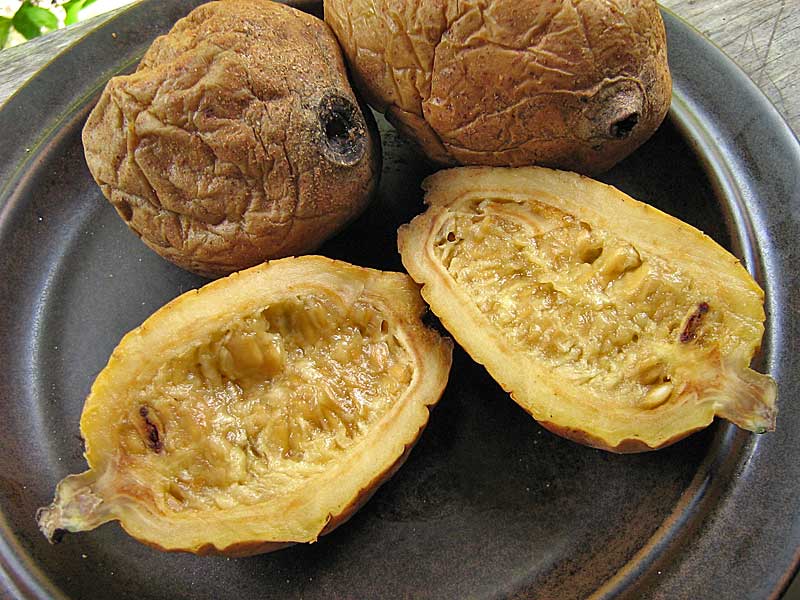
Genipap is a small to medium-sized tropical tree. It is 8 to 20 m tall, but specimens of up to 30 meters are also found. The diameter of the trunk is 30 to 80 cm and it has thick, smooth bark. It has a dense crown and the lower branches grow more or less horizontal, with 10 to 35 cm leaves at the ends. In most of Amazon Basin the trees flower in May to September and give fruit between September and April. It takes up to one year for the fruits to mature. In most trees, bees pollinate the flowers. Its fruit is a large, rounded berry, which is 9 to 15 cm long, 7 to 9 cm wide, weighing between 200 and 400 g. It has a thin and leathery covering and a 1 to 2 cm thick layer of soft, yellow-brown pulp. The central cavity contains up to 300 seeds, enclosed in membranes. The fruit is edible only when overripe and soft to the touch, when the flavor (acid to subacid) resembles that of dried apples or quinces.
In Puerto Rico, the fruit is cut up and put in a pitcher of water with sugar added to make a summer drink like lemonade. Sometimes it is allowed to ferment slightly. A bottled concentrate is served with shaved ice by street vendors. In the Philippines, also, the fruit is used to make cool drinks, as well as jelly, sherbet and ice cream. The flesh is sometimes added as a substitute for commercial pectin to aid the jelling of low-pectin fruit juices. Rural Brazilians prepare sweet preserves, sirup, a soft drink, genipapada, wine, and a potent liqueur from the fruits. Analyses made in the Philippines many years ago show the following values for the edible portion (70%) of the fruit: protein, 0.51%; carbohydrates, 11.21%; sugar, 4.30%; ash, 0.20%; malic acid, 0.63%.
The fruit is eaten as a remedy for jaundice in El Salvador. Ingested in quantity, it is said to act as a vermifuge. The fruit juice is given as a diuretic. It is a common practice in Puerto Rico to cut up the fruits, steep them in water until there is a little fermentation, then add flavoring and drink the infusion as a cold remedy. The crushed green fruit and the bark decoction are applied on venereal sores and pharyngitis. The root decoction is a strong purgative. The seeds are crushed and added to water and taken as an emetic in Brazil. When cut, the bark exudes a whitish, sweetish gum which is diluted and used as an eyewash and is claimed to alleviate corneal opacities. The juice expressed from the leaves is commonly given as a febrifuge in Central America. The flower decoction is taken as a tonic and febrifuge.
Pepperidge Farm, which, for seven years, had used artificial colorants in its colored goldfish, switched to natural dyes in July 2010. The colored goldfish are now brightened with Huito juice concentrate, annatto extract, beet juice concentrate, paprika extract, paprika, turmeric extract, and watermelon juice concentrate, instead of blue 2, red 40, red 3 and blue 1. (There is a banner on the new bags with “Colors From Natural Ingredients” written.)

Dendrotherapy

Дендротерапия, или лечение деревьями.

11 апреля (29 марта по старому стилю) на Руси отмечалось берещение - день почитания целебных свойств березы. Наши предки верили, что если попросить у дерева помощи, то она незамедлительно последует. И в наши дни сохранилась вера в целительные свойства деревьев, подобный метод лечения и профилактики называется дендротерапией.

Дендротерапия, или лечение деревьями
Дендротерапия - метод лечения различных заболеваний с помощью деревьев. На первый взгляд такой способ борьбы с нервными расстройствами или физическими недугами может показаться несколько странным, однако в XX в. учеными было доказано, что деревья способны излучать электромагнитные импульсы, которые благотворно воздействуют на организм человека и помогают справиться с болезнями.[MORE]

История возникновения дендротерапии

Уже в глубокой древности люди верили, что деревья обладают не только магическими, но и целительными свойствами. Так, друиды удалялись в специальные дубовые рощи — считалось, что именно дуб способен увеличить продолжительность жизни, духовно обогатить человека. Кроме того, кельтские жрецы прибегали к помощи других растений и деревьев, даже составили специальный гороскоп, в котором соотнесли людей с деревьями. Они верили, что каждый человек, подобно дереву, обладает набором устойчивых признаков. В зависимости от того времени года, когда человек рождался, его относили к определенному дереву с присущими ему характерными чертами (например, человек-каштан несговорчив, имеет хорошие организаторские способности и т. д.).
Знахари и волхвы в Древней Руси также прибегали к помощи деревьев и трав. Они верили, что каждое дерево способно избавить от той или иной хвори. Так, известен обычай проносить больного человека через расщепленные стволы какого-либо дерева или опускать в глубокое дупло. Считалось, что подобными действиями можно излечить недуг.
На Востоке многие деревья считаются священными, их нельзя рубить или наносить им какой бы то ни было вред. К таким «неприкосновенным» деревьям относятся вишня, гинкго и т. д.
 
Дендротерапия, или лечение деревьями
 
В XX в. интерес к дендротерапии резко возрос. Были проведены несколько исследований, в ходе который выяснилось, что деревья действительно положительно влияют на человеческий организм. Например, голландскими учеными был обнародован тот факт, что люди, проживающие рядом со скверами, парками или лесами, меньше жалуются на здоровье, чем те, кто живет в урбанизированных районах.

Как деревья воздействуют на наш организм

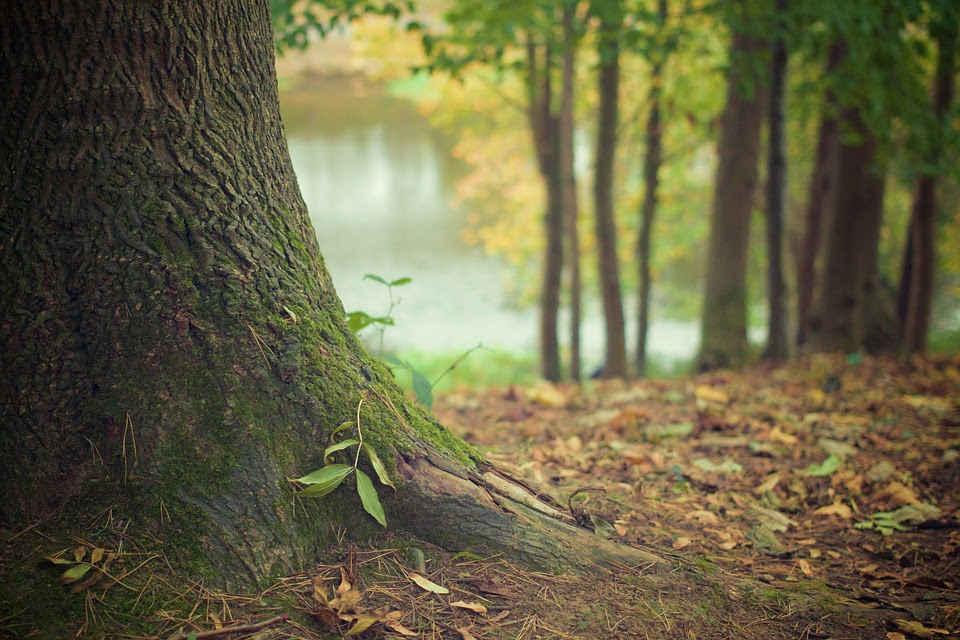
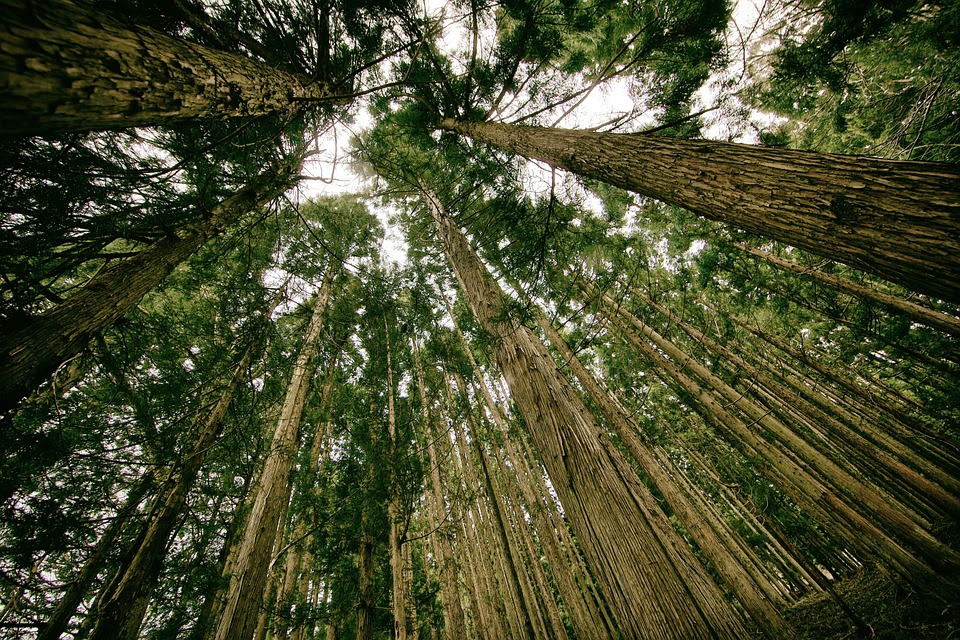
Было доказано, что деревья не только радуют глаз и участвуют в таком важном биологическом процессе, как фотосинтез, но и оказывают оздоровляющий эффект на организм благодаря специальным импульсам. Считается, что деревья имеют свое собственно энергетическое поле, они способны поглощать негативную энергию и восполнять недостаток энергии положительной. Радиус действия подобных импульсов не слишком широк: всего 2-3 метра, поэтому если вы хотите попробовать прибегнуть к дендротерапии, советуем вам придерживаться следующей схемы:
1. Для начала выберите «свое» дерево. Сделать такой выбор достаточно просто, нужно поднести к стволу ладонь, и если вы почувствуете приятное покалывание, значит вы нашли свое дерево-донор.
2. Прислонитесь к дереву спиной и затылком, расслабьтесь, постарайтесь ни о чем не думать. В таком положении постойте 2-3 минуты;
3. Обхватите ствол дерева руками, глубоко дышите. Во время выдоха представляйте, как целительная энергия дерева струится по вашим членам.
Некоторые советуют прислоняться к дереву той частью тела, которая вас беспокоит. К примеру, если вас мучаетрадикулит, попробуйте прислониться к дереву спиной.
Кроме того, практикующие дендротерапию люди советуют выбрать конкретное дерево и обращаться к нему по имени. Лучше всего насыщаться энергией деревьев по утрам.

Выбираем свое дерево-донор

Как вы уже могли догадаться, деревья весьма отличаются друг от друга. Расскажем об их свойствах подробнее.
 
Дендротерапия, или лечение деревьями
 
1. Береза
Издавна считается символом женственности и невинности, именно поэтому это дерево помогает бороться с женскими заболеваниями. Береза насыщает тело энергией, концентрирует внимание, прогоняет неприятные мысли. Это лиственное дерево эффективно лечит простуду и грипп, хорошо влияет на лимфы и работу почек. Способствует обновлению организма и генерированию новых клеток.
2. Дуб
Могучее дерево, помогающее справиться с депрессиейи нервными расстройствами. Дуб улучшает работу сердечно-сосудистой системы, нормализует артериальное давление. Кроме того, он способствует улучшению памяти и ясности ума.
3. Вяз
Забирает негативную энергию, успокаивает организм, придает ему сил и бодрости. Вяз помогает человеку справиться с жизненными трудностями, не впасть в отчаяние и уныние.
4. Ель
Самая обычная ель отлично снимает раздражение и усталость, очищает организм от негативных эмоций. Около елей и сосен необычайно «вкусный» воздух, считается, что в нем в 10 раз меньше болезнетворных бактерий, чем в «обычном» воздухе, поэтому ель лечитнасморк и простуду, обладает противовоспалительными свойствами. Кроме того, она нормализует работу пищеварительной системы, обладает обезболивающим действием.
5. Каштан
Каштан очень хорошо воздействует на нервную систему, он успокаивает расшалившиеся нервы и заставляет забыть о плохом настроении. Цветы каштана считаются мощными оберегами от дурного глаза. Более того, каштан прогоняет страхи и избавляет от навязчивых идей, дарит спокойный и глубокий сон.
6. Клен
Необычайно красивое дерево, способное за минуту прогнать хандру и улучшить ваше душевное состояние. Считается, что с кленом лучше взаимодействовать рано утром.
7. Липа
Это дерево восстанавливает силы, дарит бодрость и необходимую энергию организму. Липа помогает справиться с инфекционными заболеваниями, благотворно воздействует на психическое состояние человека.
8. Сосна
Прекрасно насыщает организм, избавляет от головных болей и головокружения. Снимает психическое напряжение, помогает легче перенести стресс. Сосна эффективно борется с вредными вирусами и микробами, лечит кашель и воспаление носоглотки.
9. Рябина
Рябина очищает организм от вредных шлаков и токсинов, выгоняет из него лишние соли, нормализует работу всех внутренних органов. Особенно эффективно рябина справляется с заболеваниями пищеварительной системы.
10. Тополь
Считается, что тополь может очистить ауру человека от негативных эмоций, однако если слишком долго контактировать с этим деревом, можно получить обратный эффект.
Если у вас нет возможности непосредственно взаимодействовать с деревьями, вас могут выручить деревянные предметы, так называемые«биокорректоры» . К биокорректорам относятся плошки, чашки, ложки, изготовленные из древесины дерева-донора. Они помогут вам осуществлять энергетический обмен не выходя из дома.
Можно по-разному относиться к такому методу лечения и профилактики заболеваний, однако стоить заметить, что неторопливые прогулки по лесу еще никому не навредили.
Автор: Чванова Яна
         

Wednesday, May 4, 2016

Turmeric


Turmeric: Properties, Benefits And Use

 
Turmeric: Properties, Benefits and Uses
 

The Properties and Benefits of Turmeric

How to Use Turmeric in the Kitchen

Turmeric Oil: The Oil of Youth

To prepare it, you will need 50 cl of extra virgin olive oil and 3 teaspoons of turmeric powder: simply pour the oil into a sealed glass jar and add the turmeric, stirring to mix well. Leave it to steep for seven days and shake once a day. On the eighth day, decant the oil into a bottle making sure that the turmeric has settled to the bottom.

__._,_.___